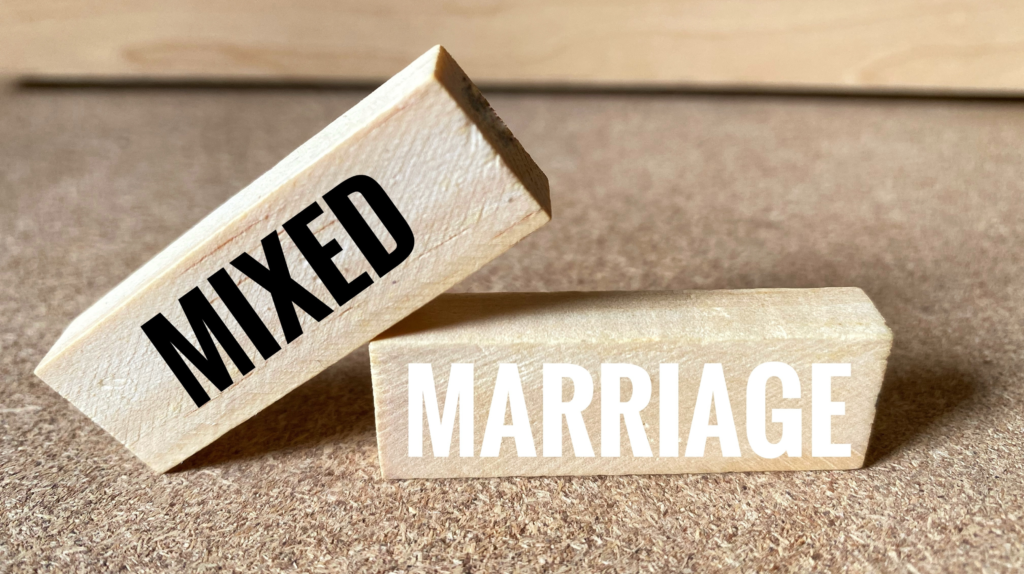
For many couples, the celebration becomes a meeting place of cultures, faiths, languages, and traditions. Parents may carry expectations rooted in heritage, while couples seek a day that reflects their shared identity and modern life. When approached with care and intention, these elements do not compete — they enrich one another.
A thoughtfully designed multicultural wedding does not feel divided between traditions. Instead, it becomes a seamless expression of belonging, respect, and connection.
When multiple traditions are present, the instinct can be to include everything. Yet the most meaningful celebrations begin by identifying what truly matters.
Consider which rituals hold emotional or spiritual significance — a blessing from a religious tradition, a symbolic exchange, heirloom customs, or music that evokes childhood memories. Selecting what resonates most allows the celebration to feel intentional rather than overwhelming.
Fewer traditions, honored with care, often carry greater meaning than many performed without context.
Multicultural weddings often bring together not only two individuals, but two family systems shaped by different customs and expectations.
Early, thoughtful conversations create space for understanding. Parents and elders feel respected when their traditions are acknowledged, and couples feel supported when priorities are discussed openly.
When families feel included in the process, they shift from stakeholders to collaborators — partners in creating a celebration that honors everyone.
The ceremony offers one of the most powerful opportunities to weave traditions together.
Couples may choose to incorporate readings from multiple faiths, symbolic rituals such as a varmala exchange, unity ceremony, or chuppah blessing, or invite officiants representing different traditions. Some structure the ceremony to flow from one cultural element to another, while others blend rituals within a single sequence.
Providing guests with a brief ceremony guide or explanation helps them understand the meaning behind each moment, transforming observation into participation.
Design plays a subtle but essential role in unifying cultures. Rather than separating traditions into distinct visual identities, thoughtful styling creates cohesion.
Traditional motifs can be incorporated alongside clean, modern aesthetics. Textiles, patterns, or ceremonial elements may be introduced in refined ways that honor heritage without overwhelming the space. Neutral palettes can serve as a bridge, allowing cultural details to feel intentional rather than competing.
The result feels balanced, elegant, and harmonious.
Cuisine and music often serve as the most immediate bridge between cultures. Shared meals and dance traditions create connection across generations and backgrounds.
Couples may include signature dishes from both cultures, fusion menus that reflect shared tastes, live musicians rooted in tradition, or dance performances that invite joyful participation. When guests experience culture through flavor and rhythm, they feel included in the celebration.
Guests may be unfamiliar with certain traditions, attire, or rituals. Small gestures can create comfort and understanding.
Clear attire guidance, brief explanations in programs, an emcee who introduces meaningful moments, or a welcome gathering before the wedding day can help guests feel at ease. When people understand the significance behind traditions, they connect more deeply to the experience.
Modern multicultural weddings often reflect both heritage and individuality. Couples may wear traditional attire for the ceremony and change into contemporary styles for the reception. Heirloom jewelry may be paired with modern silhouettes. Music selections may blend classical traditions with contemporary favorites.
These choices allow couples to honor where they come from while expressing who they are today.
Blending traditions is not about executing every ritual flawlessly. It is about honoring what matters most and creating an atmosphere of warmth, respect, and shared joy.
When intention guides the planning process, the celebration feels natural rather than performative — a gathering where every guest feels welcomed, and every family feels honored.
At its heart, a multicultural wedding is a celebration of connection — between cultures, generations, and lives joined together.
When traditions are woven with care and contemporary sensibility, the result is more than a beautiful event. It becomes a meaningful experience that reflects identity, honors heritage, and welcomes everyone into the story being written.
Because the most memorable celebrations are not defined by how many traditions are included, but by how deeply they are felt.
Contact us to begin planning your celebration.
© 2026 Nikhaar Weddings & Events | All Rights Reserved.